Research

Behaviour, biodiversity indicators, prediction, and conservation AI.

Our group is interested in how computational methods can detect ecological change early, explain its drivers, and support better future decisions. We build models, indicators, and tools that help conservation move from describing past change to anticipating future change.

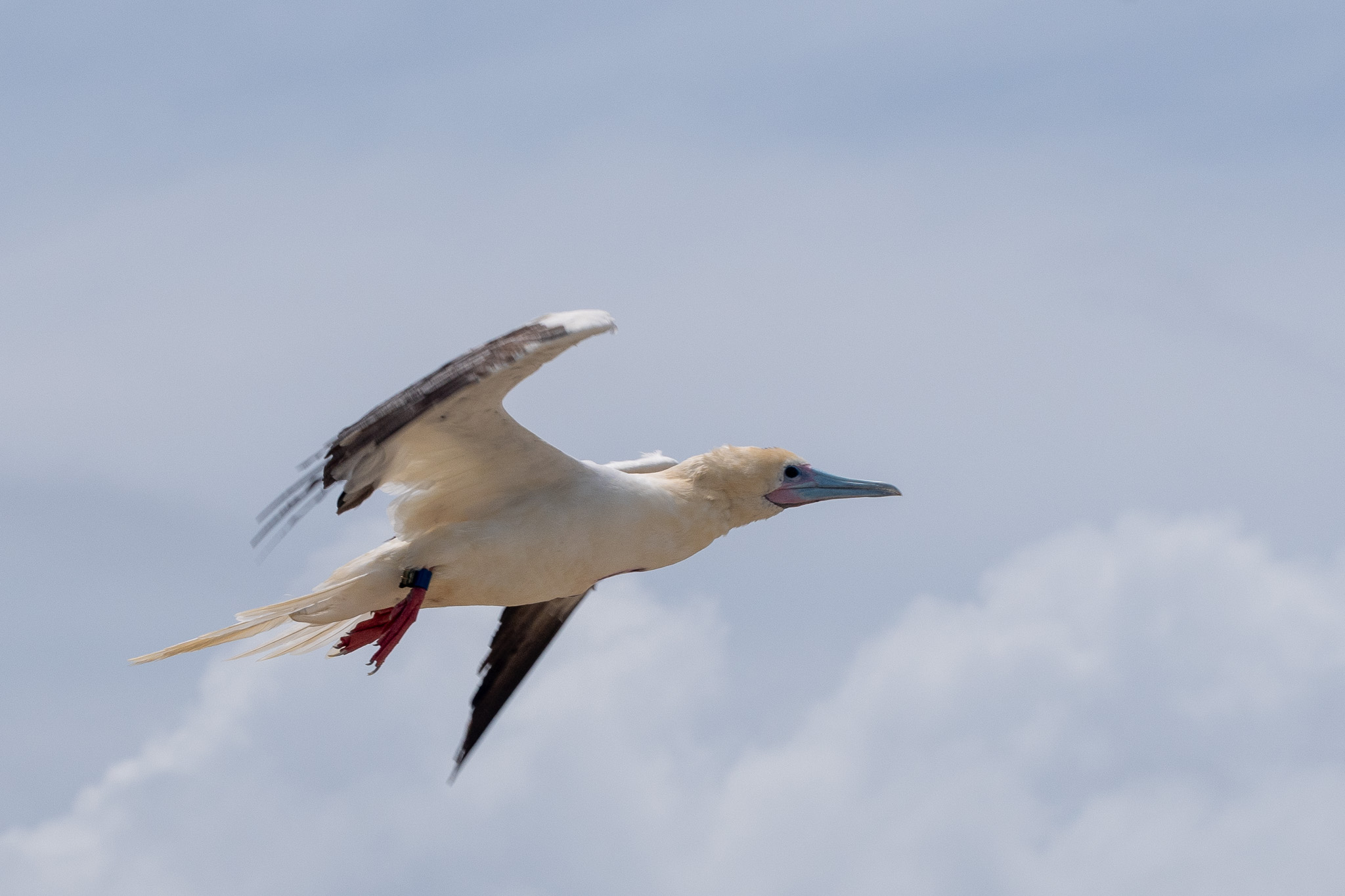
Red Footed Booby with GLS tag
Indian Ocean seabirds

Seabird movement and behaviour

Investigating how environmental variability, social behaviour, and marine management shape movement, foraging, habitat use, and exposure to threats in tropical seabird systems.

Movement ecology Marine systems Machine learning Spatial management
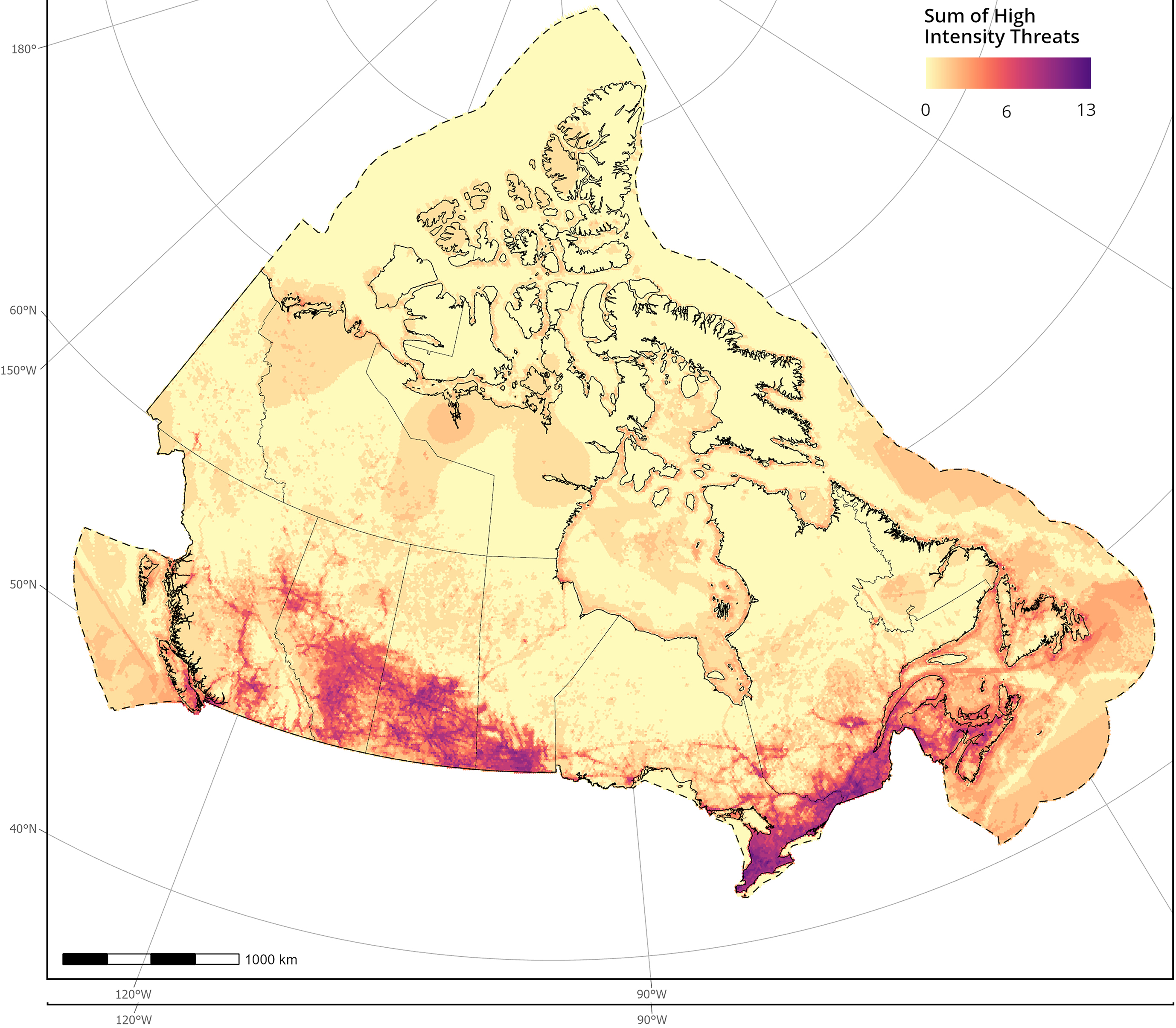
Threat intensity and richness for Canada
Drivers of change
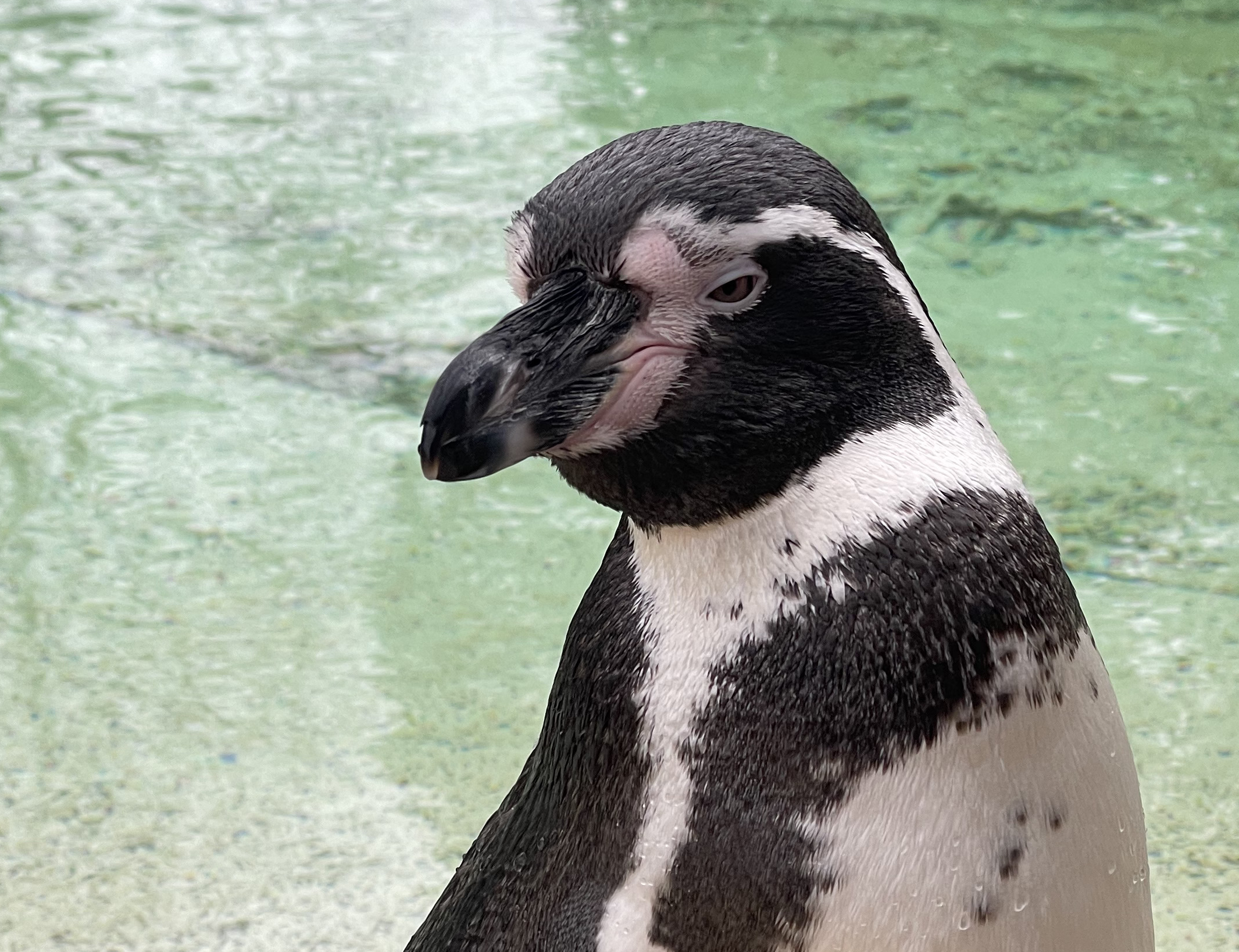
Humbolt penguin at London Zoo
Individual recognition

Automatic recognition of individual animals

We develop computer vision approaches that identify individuals from images and video, supporting scalable wildlife monitoring and more efficient ecological inference.

Computer vision Individuals Monitoring
Placeholder for biodiversity forecasting research
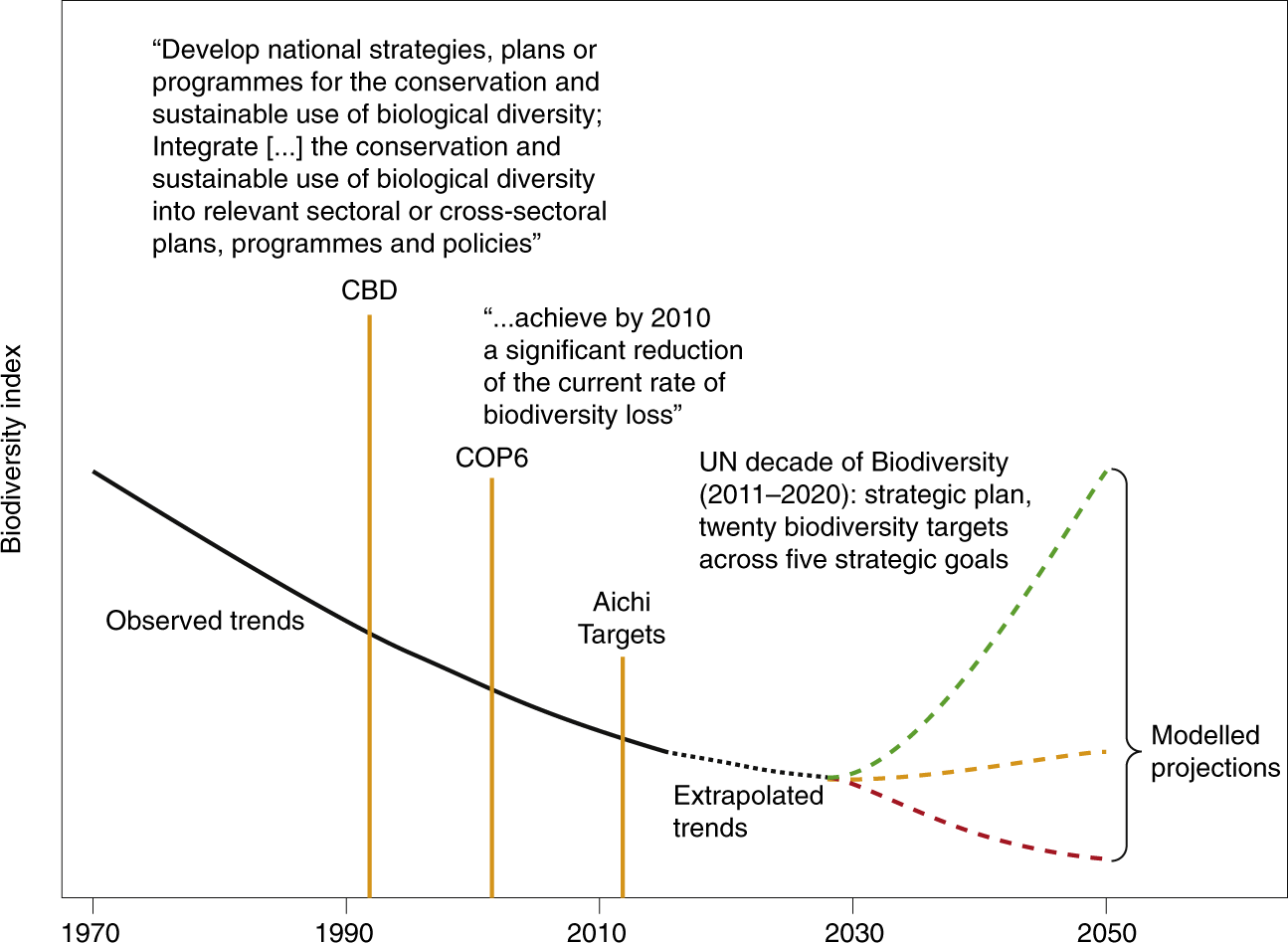
Global abundance forecasting

Predicting trends in global abundance

We develop models that move from retrospective biodiversity indicators towards leading indicators of future change, linking historical environmental conditions to expected wildlife population trajectories.

Forecasting Machine learning Living Planet Index Policy relevance
Placeholder for low-cost sensing research
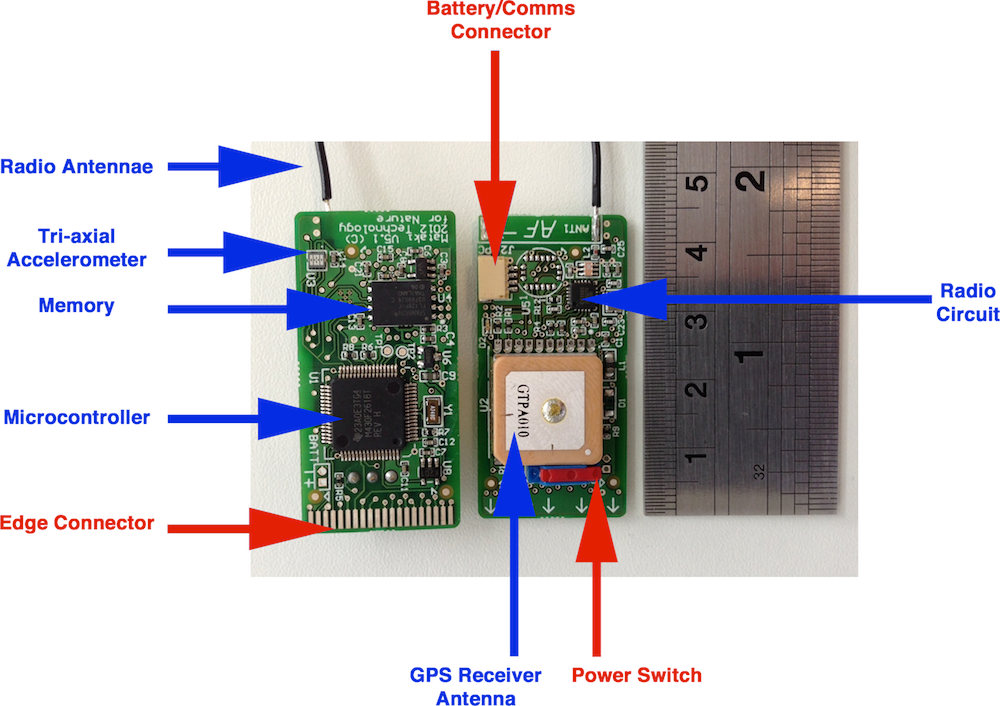
Low-cost monitoring

Monitoring behaviour in the wild

Understanding animal behaviour often requires expensive or invasive monitoring technologies. We develop methods that use lightweight biologging devices, acoustic sensors, and machine learning to infer complex behaviours from simple data streams, enabling behaviour to be monitored at larger spatial and temporal scales.

Biologging Acoustics Machine learning
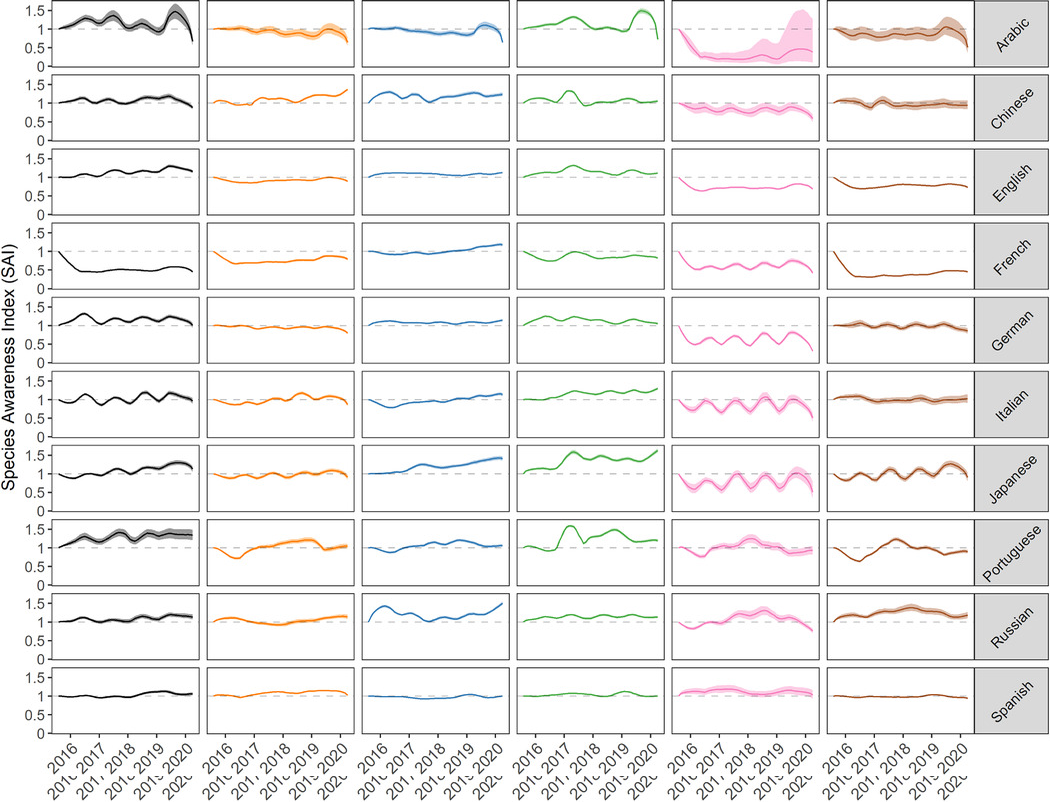
Trends in Species Awareness Index
Public awareness
Pigeons in flight
Pigeons in flight

Social Behaviour and Collective Decision-Making

Understanding how interactions between individuals shape movement, foraging, navigation and habitat use in the wild. This work combines biologging, machine learning and network analysis to investigate collective behaviour, information transfer and social structure in species ranging from seabirds and sharks to homing pigeons.

Behavioural Ecology Collective behaviour

Live application

Hedgehog suitability predictions for Greater London, based on citizen science data and environmental predictors as a live app to support conservation decisions. If your browser blocks the embed, open the app directly here.